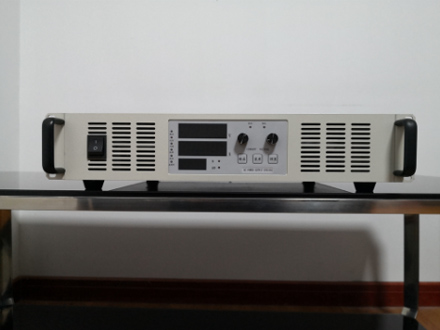

An AC voltage regulator is an electrical device engineered to maintain a stable output voltage despite fluctuations in input voltage. As global industries increasingly rely on sensitive electronic systems—automation equipment, medical devices, communication networks, and precision manufacturing—the demand for stable, interference-free power becomes urgent.
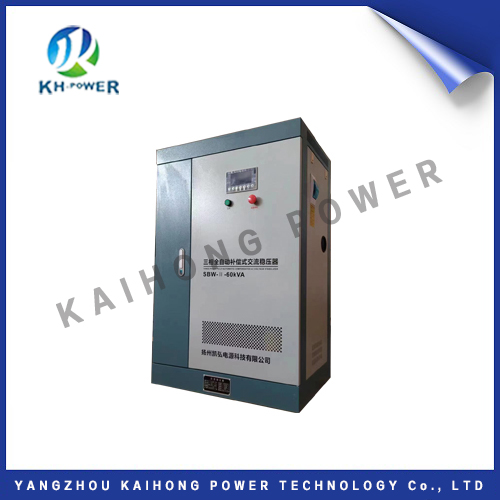
The core message: a well-engineered AC voltage regulator reduces failure risk, extends equipment lifespan, and stabilizes operations in environments where voltage instability is common. Understanding how these devices work, why they matter, and what sets premium models apart helps businesses select solutions that deliver long-term reliability and performance.
Below are the key technical specifications commonly associated with a high-performance AC voltage regulator:
| Parameter | Specification |
|---|---|
| Input Voltage Range | 95–280V / 160–260V (customizable) |
| Output Voltage Accuracy | ±1% – ±3% |
| Capacity Options | 500VA – 2000kVA |
| Frequency | 50Hz / 60Hz |
| Response Time | < 1 second |
| Efficiency | 95% – 99% |
| Insulation Class | Class B / Class F |
| Operating Temperature | –10°C to +45°C |
| Protection Features | Overload, Overvoltage, Undervoltage, Short-circuit, Delay start |
| Cooling Type | Natural air cooling / forced air cooling |
| Display | LED/LCD real-time voltage display |
| Application Scenarios | Industrial machinery, medical systems, data centers, telecom equipment, residential protection |
This foundation sets the stage for discussing how AC voltage regulators operate, why they remain essential, and what technological advances will continue to shape the industry.
At its core, an AC voltage regulator monitors incoming voltage and automatically adjusts the output to deliver stable, regulated power to connected devices. When voltage dips below the safe range, the regulator boosts it; when it rises too high, the regulator suppresses it. This continuous adjustment protects equipment from damage caused by unstable grids, sudden surges, or load variations.
Real-time Voltage Detection
Sensors evaluate input voltage conditions with high accuracy and detect any deviation from the preset value.
Boost or Buck Adjustment
Stabilization circuits—either servo-driven, static, or automatic—perform corrective action to maintain stable output.
Output Voltage Release
After voltage is corrected, the regulator delivers stable power to downstream equipment without interruptions.
Automatic Protection Engagement
In cases of extreme fluctuations, the regulator instantly activates protective features to prevent damage.
Protection of sensitive equipment such as CNC machines, medical imaging tools, laboratory instrumentation, and semiconductor devices.
Reduction of downtime and operational losses caused by voltage-related shutdowns.
Optimization of power efficiency, enabling longer equipment lifespan and lower maintenance costs.
Voltage stabilization in rural or developing regions where grid instability is common.
Compliance with industrial standards and safety regulations that mandate controlled voltage environments.
These functions highlight the increasing relevance of AC voltage regulators in sectors demanding precision, safety, and uninterrupted power.
As engineering demands grow, AC voltage regulators must deliver far more than basic stabilization. Modern designs incorporate advanced sensors, digital control systems, and predictive protections to meet higher operational standards across industries.
High stabilization accuracy ensures sensitive electronics operate without risk.
Fast response time prevents equipment malfunction during sudden voltage disturbances.
Enhanced overload capability protects devices under unexpected power surges.
Strong adaptability to industrial-grade applications with large motor loads.
Prolonged equipment lifespan through continuous regulatory control.
User-friendly monitoring via LED/LCD panels showing real-time voltage data.
Automatic Voltage Regulation (AVR) for precise and continuous stability.
Microprocessor-based control enabling intelligent analysis and response.
Delayed start function to avoid damage after power restoration.
Full-spectrum protection covering undervoltage, overvoltage, overheating, and more.
Robust insulation and heat dissipation enhancing safety during high-capacity operation.
The evolution of power conditioning is accelerating, and several trends are shaping next-generation devices:
Advanced microcontrollers and digital signal processors will enable predictive voltage correction and self-diagnostic capabilities.
Regulators will incorporate energy-saving structures and low-loss magnetic materials to meet global environmental standards.
Future regulators will support stacking, expansion, and easy integration into smart industrial systems.
Cloud-based platforms will allow maintenance teams to track voltage, load, and device health in real time—even across multiple locations.
Solar and wind power systems introduce additional voltage instability. Regulators will evolve to maintain consistent performance across hybrid and renewable grids.
These advancements illustrate how the AC voltage regulator is transitioning from a simple stabilizer into a smart, efficient, and predictive power-management solution.
How long can an AC voltage regulator operate continuously under full load?
A high-quality regulator can operate continuously for extended periods—often 24 hours a day—provided that ventilation, load limits, and ambient temperature stay within specified parameters. Overheating protection and forced-air cooling systems help maintain stable performance even during prolonged use. Continuous-duty operation is especially critical in factories, medical facilities, and communication centers where voltage stability is mandatory.
What capacity of AC voltage regulator is recommended for industrial machinery?
The recommended capacity depends on the total load, startup current, and equipment type. Motors, compressors, and industrial tools may require regulators with 2–3 times the rated capacity due to high inrush current. Precision equipment such as medical devices or laboratory instruments typically requires high-accuracy, low-distortion regulators. Proper load assessment ensures optimal performance and prevents overload.
As industries worldwide elevate their standards for power stability, selecting the right AC voltage regulator becomes essential. Beyond just ensuring voltage accuracy, modern facilities require systems that support operational efficiency, protect sensitive machinery, and reduce long-term maintenance costs. Voltage fluctuations can lead to irreversible damage, data loss, product defects, and downtime—making the choice of regulator and manufacturer a mission-critical decision.
A manufacturer with rigorous quality control, advanced production technology, and deep industry experience ensures that every regulator performs reliably under real-world conditions. Materials, craftsmanship, testing procedures, and customization capabilities all influence long-term performance. Equally important is the ability to provide tailored solutions based on load types, operating environments, and voltage requirements across various industries.
Yangzhou Kaihong Power Technology Co., LTD. is recognized for providing high-stability AC voltage regulators designed for industrial, commercial, and specialized applications. With strong engineering expertise and extensive product development capability, the company delivers solutions that address real operational challenges and meet evolving global standards. For organizations seeking long-term reliability, safety, and performance, reaching out for professional guidance is the first step toward building a more stable electrical system.
For more details regarding product specifications, system integration support, or customized solutions, please contact us.