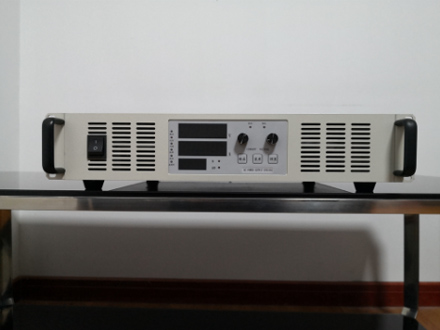

A linear power supply is a fundamental power conversion technology widely used in precision electronics, industrial equipment, laboratory instruments, and communication systems. This article explains how a linear power supply works, its advantages and limitations, and why it remains essential in modern applications despite the rise of switching technologies. It also provides practical selection guidance, maintenance tips, and application insights to help engineers and buyers make informed decisions.
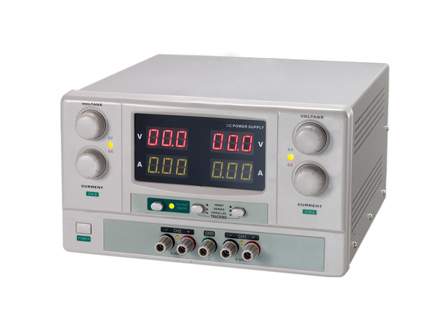
In industrial and electronic environments, stable and noise-free power delivery is critical. Equipment failure, signal distortion, or reduced measurement accuracy can often be traced back to poor power quality. A linear power supply addresses these challenges by offering highly stable DC output with extremely low ripple and noise.
Despite advancements in switching power supplies, linear designs remain relevant in applications where performance integrity is more important than compact size or energy efficiency.
A linear power supply is a type of power conversion system that uses a transformer, rectifier, filter capacitors, and linear voltage regulation to convert AC input into stable DC output.
Its basic structure includes:
This architecture ensures minimal electrical noise, making it ideal for sensitive electronics.
The working mechanism of a linear power supply is based on continuous voltage regulation. Unlike switching systems that rapidly turn energy on and off, linear regulators dissipate excess voltage as heat to maintain a constant output level.
The process can be summarized as follows:
This results in extremely low ripple voltage, often measured in millivolts or less.
Linear power supplies are still widely used because of their reliability and performance consistency. Key benefits include:
Linear power supplies are commonly used in environments where accuracy and signal integrity are critical.
These applications demand ultra-clean power delivery to ensure reliable operation.
| Feature | Linear Power Supply | Switching Power Supply |
|---|---|---|
| Efficiency | Lower (heat loss present) | Higher efficiency |
| Noise Level | Very low | Moderate to high |
| Size | Larger due to transformer | Compact design |
| Complexity | Simpler circuitry | More complex control system |
| Application Focus | Precision & sensitive devices | General-purpose electronics |
Selecting a suitable linear power supply requires careful evaluation of operational requirements. Consider the following factors:
For industrial-grade systems, sourcing from experienced manufacturers such as Yangzhou Kaihong Power Technology Co., LTD. ensures higher reliability and engineering support.
Even reliable systems may face operational issues over time. Common problems include:
Troubleshooting typically involves inspecting capacitors, regulators, and thermal management systems.
Proper maintenance extends the lifespan and ensures stable performance of linear power supplies.
Preventive maintenance is especially important in continuous industrial operations.
Yangzhou Kaihong Power Technology Co., LTD. is a specialized manufacturer focused on advanced power supply systems, including linear and precision-controlled power solutions. The company emphasizes engineering quality, stable output performance, and industrial-grade reliability.
With continuous innovation and strict quality control systems, the company provides tailored solutions for laboratories, industrial automation, and high-precision electronic applications.
Reference product information can be explored here:
https://www.cn-hvps.com/linear-power-supply.html
Q1: Why choose a linear power supply over a switching one?
A linear power supply provides significantly lower noise, making it ideal for sensitive electronics and measurement systems.
Q2: Is a linear power supply still relevant today?
Yes, especially in precision applications where signal integrity is critical.
Q3: What is the main drawback?
Lower efficiency and larger physical size due to heat dissipation requirements.
Q4: Can it be used in industrial automation?
Yes, particularly in control systems requiring stable and clean voltage output.
A linear power supply remains a cornerstone technology for stable and low-noise power delivery. While newer switching technologies dominate many consumer applications, linear systems continue to play a vital role in precision industries.
By understanding its working principles, advantages, and limitations, engineers and procurement teams can make more informed decisions when selecting power solutions for critical systems.
For reliable industrial-grade solutions and customized support, Yangzhou Kaihong Power Technology Co., LTD. is ready to assist.
If you are looking for stable, high-performance linear power supply systems tailored to your application needs, contact us today and let our engineering team provide the right solution for your project.